Wisconsin Measles Outbreak Surpasses 650 Cases
Wisconsin Measles Outbreak Surpasses 650 Cases
Wisconsin has reported a second child’s death from measles as the state’s outbreak surpasses 650 reported cases, according to the available outbreak report Source 1.
The report does not provide the child’s age, county, community, vaccination status, medical history, or circumstances of death. Those details should not be inferred. Additional information should be included only if released by the family or public health officials.
The case total may change as health departments confirm infections, revise classifications, reassign cases, or remove duplicate reports. For the latest official count and public health guidance, consult the Wisconsin Department of Health Services measles page.
What Happened in Wisconsin?
Wisconsin has reported a second child’s death from measles during the current outbreak. A confirmed measles death is distinct from a suspected or probable case, or from a death involving a person who had measles but was not confirmed to have died from the infection. Public health authorities must establish the classification and cause before further conclusions can be drawn.
The state has also surpassed 650 reported measles cases. The available report does not provide a precise current count or update timestamp. State and county totals may differ because agencies use different reporting schedules, surveillance definitions, and jurisdictional assignments.
A rising case total can reflect both new transmission and improved detection. Health departments may identify additional infections through laboratory testing, contact investigations, and exposure notifications.
Why Measles Spreads Quickly
Measles is one of the most contagious infectious diseases. It spreads through the air when an infected person breathes, coughs, or sneezes. The virus can remain in an indoor area after the person leaves, depending on ventilation and other conditions CDC.
Transmission can occur in:
- Homes
- Schools and child care centers
- Health care facilities
- Workplaces
- Religious services
- Public gatherings
- Airports and other travel settings
People may spread measles before recognizing the illness. Early symptoms can resemble other respiratory infections, while the characteristic rash may appear later. This delay can make exposure identification difficult.
A large outbreak also increases demands on local health departments, which must investigate cases, identify contacts, issue exposure notices, review vaccination records, and provide medical guidance.
Symptoms and Complications
Common measles symptoms include:
- High fever
- Cough
- Runny nose
- Red or watery eyes
- Small white spots inside the mouth
- A red, blotchy rash that often begins on the face and spreads downward
Complications can include ear infections, diarrhea, dehydration, pneumonia, encephalitis, hospitalization, and death. Young children and people with weakened immune systems face an increased risk of severe illness.
Anyone with possible measles symptoms should call a health care provider before arriving at a clinic, emergency department, school, workplace, or public gathering. Advance notice allows staff to reduce the risk of exposing other patients and workers.
Emergency warning signs include trouble breathing, severe dehydration, confusion, seizures, extreme weakness, or persistent or unusually high fever. In an emergency, call emergency services and report possible measles exposure before arrival when possible.
Who Faces the Greatest Risk?
Risk is higher for people who lack measles immunity, including those who:
- Have not received the recommended measles, mumps, and rubella vaccine doses
- Are too young to be fully vaccinated
- Have certain immune-system conditions
- Take immune-suppressing medication
- Were exposed during travel or an outbreak
- Cannot confirm their vaccination history
Exposure intensity also matters. Close contact with an infected person in a poorly ventilated indoor space may create greater risk than briefly passing through the same location.
Public health officials should focus on confirmed exposure, immunity, and medical guidance rather than blaming an entire community or group.
What Parents and Caregivers Should Do
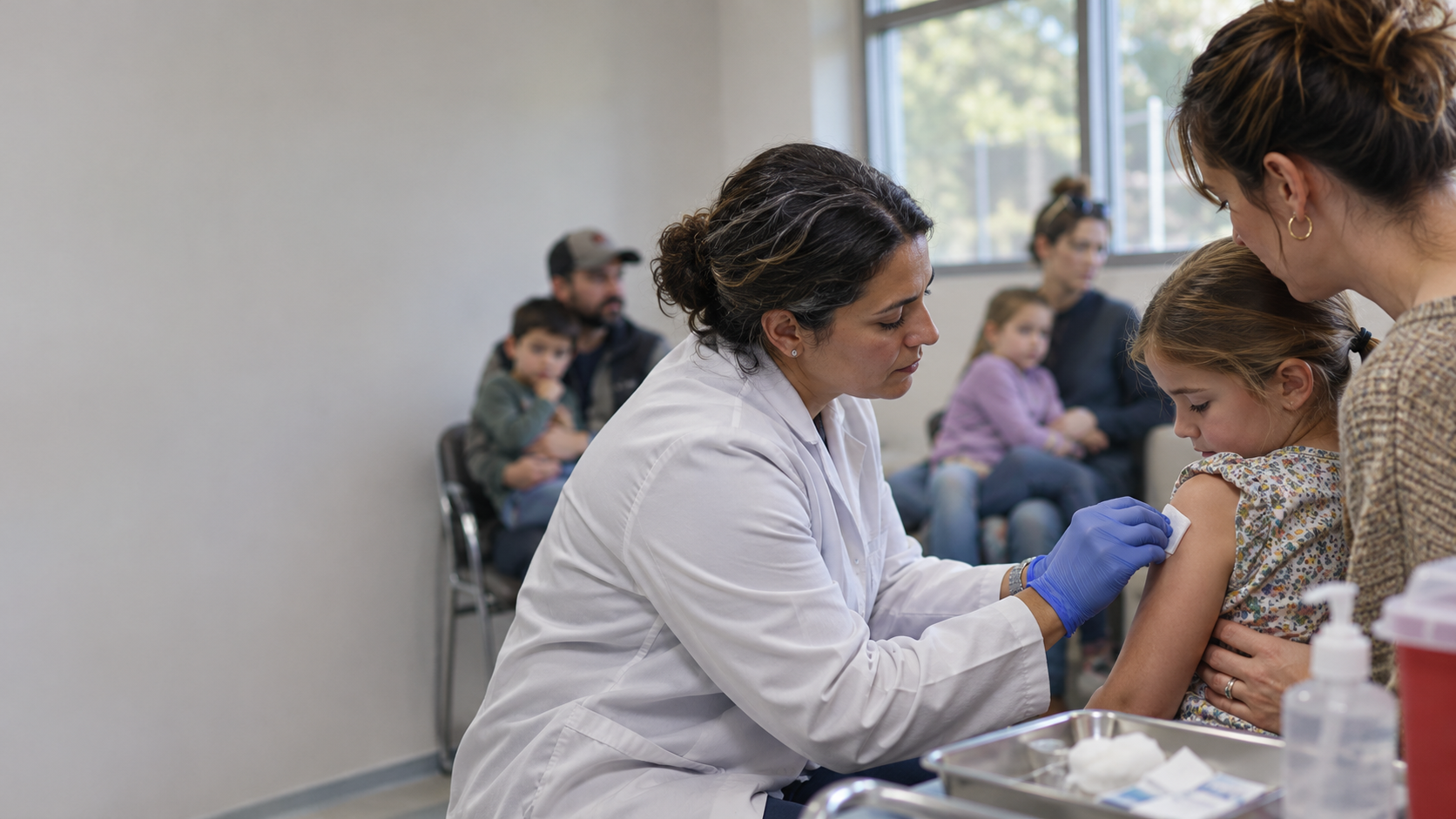
Parents and caregivers should review children’s vaccination records and confirm whether they have received the recommended measles, mumps, and rubella vaccine doses. Records can be checked with a pediatrician, family medical provider, local health department, or the Wisconsin Department of Health Services.
Recommendations may vary according to age, travel plans, exposure history, outbreak conditions, and medical history. Families should ask a health professional which recommendations apply to them.
The MMR vaccine is the primary protection against measles. It reduces the risk of infection and severe disease and helps protect infants and people who cannot be vaccinated. Two doses provide strong protection against measles, according to the CDC CDC.
Anyone who may have been exposed should contact a health care provider or local health department promptly. Depending on the person’s age, immune status, vaccination history, and time since exposure, officials may recommend:
- Post-exposure vaccination
- Immune globulin
- Testing
- Symptom monitoring
- Temporary isolation
- Communication with schools or employers
People should call before entering a clinic or emergency department. Entering a waiting room without warning can expose other patients and staff.
How Officials Track the Outbreak
Outbreak surveillance typically begins when a health care provider or laboratory reports a suspected infection. Investigators then work to:
- Confirm the diagnosis through laboratory testing or approved epidemiological criteria.
- Determine when the person may have been infectious.
- Identify locations visited during that period.
- Notify people who may have been exposed.
- Monitor contacts during the incubation period.
- Update the case record as new information becomes available.
Officials may issue public exposure notices when they cannot identify every person who may have encountered the virus. Notices can include dates, times, locations, symptom guidance, and instructions for contacting a health department.
Schools and child care centers may review vaccination records, notify families about possible exposure, monitor symptoms, exclude people who may be infectious, and coordinate with health officials. A facility should not be identified as part of the outbreak unless officials have confirmed that information.
Avoiding Misinformation
Readers should rely on the Wisconsin Department of Health Services, local health departments, the CDC, and licensed medical professionals. Anonymous social media posts, incomplete screenshots, and outdated articles cannot confirm:
- A child’s identity
- Vaccination status
- The source of infection
- The location of transmission
- The cause of death
- The current case count
The available report indicates that Wisconsin reported a second child’s death from measles and surpassed 650 reported cases. It does not establish additional personal details about the child or family.
What to Watch for Next
Health officials may update the case count as investigations continue. The total may rise when new infections are confirmed or change when cases are reassigned or duplicate reports are removed.
Officials could issue new exposure notices, vaccination recommendations, school or child care guidance, travel warnings, testing instructions, or isolation requirements. Readers should follow the latest official guidance rather than rely on older reports.
Conclusion
Wisconsin has reported a second child’s death from measles as the state surpasses 650 reported cases Source 1.
The outbreak demonstrates how quickly measles can spread and how serious the disease can become. Families should check vaccination records, contact a provider after possible exposure, call ahead if measles is suspected, and follow state and local health instructions.
For current case totals and outbreak guidance, consult the Wisconsin Department of Health Services measles information page.
Frequently Asked Questions
How many measles cases has Wisconsin reported?
Wisconsin has surpassed 650 reported measles cases, according to the available outbreak report Source 1. The exact total can change as cases are confirmed and investigations continue. Check the Wisconsin Department of Health Services for the latest count and update date.
How many children have died from measles in Wisconsin?
Wisconsin has reported a second child’s death from measles. Available information does not confirm the child’s age, location, vaccination status, medical history, or other personal details.
What are the symptoms of measles?
Symptoms can include high fever, cough, runny nose, red or watery eyes, small white spots inside the mouth, and a red rash that often begins on the face and spreads downward. People with possible measles should call a medical provider before visiting in person.
How does measles spread?
Measles spreads through the air when an infected person breathes, coughs, or sneezes. The virus can remain in an indoor area after the person leaves, depending on ventilation and other conditions.
How can people prevent measles?
MMR vaccination is the main prevention method. People should verify vaccination records with a health care provider or local health department and follow public health instructions after known exposure.
What should someone do after possible measles exposure?
Contact a health care provider or local health department promptly, and call before entering a clinic or emergency department. Officials may recommend monitoring, testing, vaccination, immune globulin, or temporary isolation, depending on the person’s circumstances and the timing of exposure.
Related Articles
-
 Democrats Assail RFK Jr. Over Measles Status Loss
-
 ACS Prostate Cancer Screening Guidelines Explained
-
 GLP-1 Medications During Pregnancy: What to Know
-
 Ebola in the DRC: How Fear and Mistrust Drive Spread
-
 How Measles Can Erase Immune Memory
-
 Why Congo’s Ebola Outbreak Spread So Quickly
-
 Reports of U.S. Babies Born With Measles Raise Alarm
-
 ACS 2026 Prostate Cancer Screening Guideline
-
 How Measles Makes the Immune System Forget
-
 Why Some Children Stay in Hospitals Without a Home
-
 Arizona Heat May Disrupt Brain Function, Scientists Warn
-
 Have You Been Misdiagnosed With a Medical Condition?
-
 19-Year Study Links Certain Napping Habits to Mortality
-
 U.S. Loses Measles-Elimination Status After Renewed Spread
-
 Caregiver Warning Signs of Serious Heart Problems
-
 How Sleep Supports Fat Burning and Muscle Recovery